
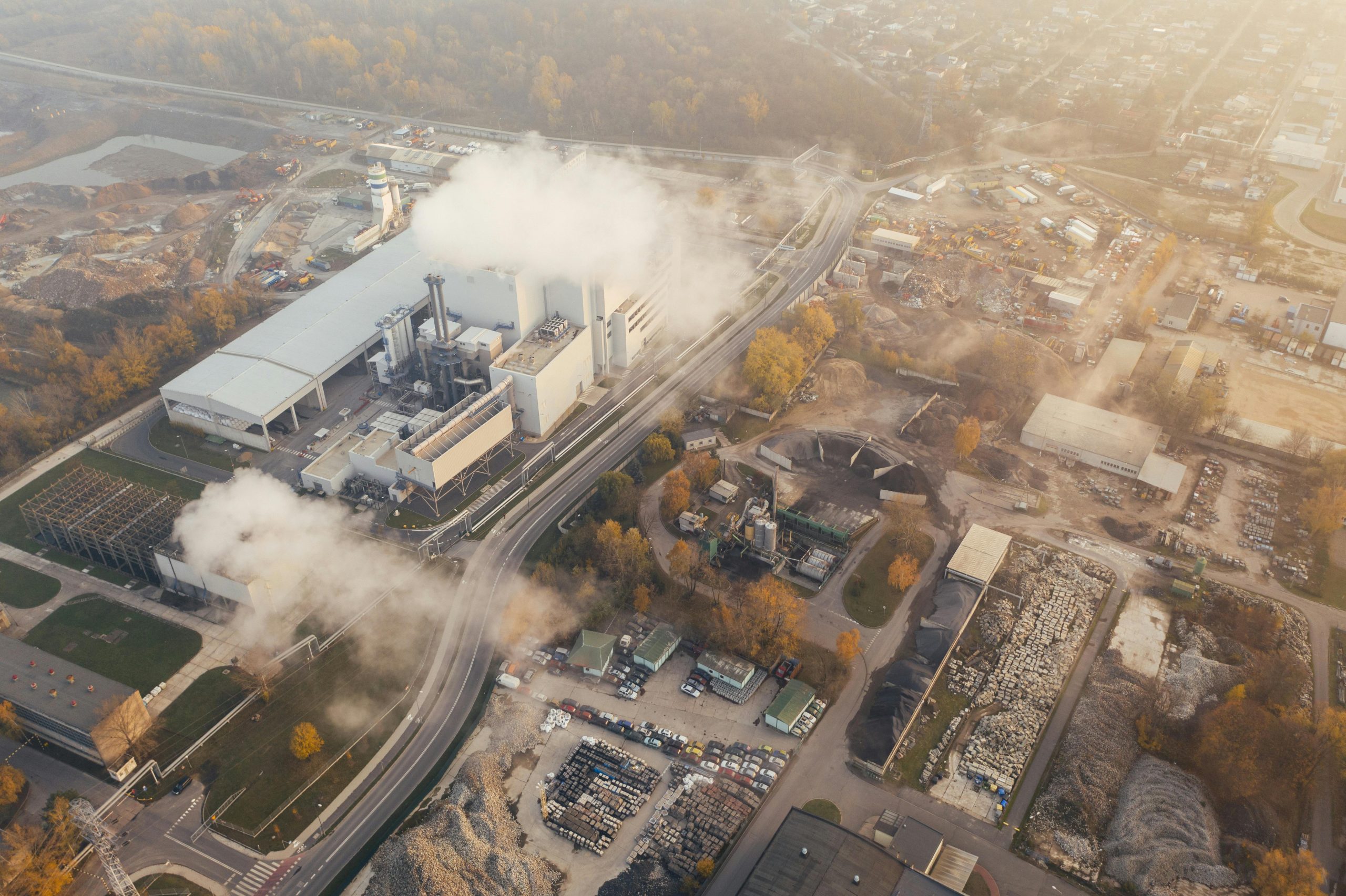
GHG emissions refer to the release of greenhouse gases into the atmosphere, which trap heat and contribute to global warming. These emissions are a byproduct of both natural processes and human activities. While some GHGs occur naturally (e.g., volcanic eruptions), human activities have significantly increased their concentration in the atmosphere since the Industrial Revolution. The burning of fossil fuels for energy, transportation, and industrial processes is the largest source of human-induced GHG emissions.
Direct emissions, also known as Scope 1 emissions, are greenhouse gases released from sources that are directly owned or controlled by an individual, business, or organisation. Examples include:
For homeowners, direct emissions could come from gas-powered appliances, heating systems, or personal vehicles.
Indirect emissions, categorised as Scope 2 and Scope 3 emissions, occur as a result of activities that are not directly controlled by the emitter but are associated with their energy consumption or supply chain.
Examples include:
Scope 2 Emissions: Emissions from the generation of electricity, heat, or steam that is purchased and used by a business or homeowner. For instance, using electricity from a coal-fired power plant.
Scope 3 Emissions: These are broader and include emissions from activities such as employee commuting, business travel, waste disposal, and the production of purchased goods and services.
Indirect emissions often account for a significant portion of an organisation’s or individual’s carbon footprint.
Facts About GHG Emissions
Carbon Dioxide (CO₂) Dominance: CO₂ accounts for about 76% of global GHG emissions, primarily from burning fossil fuels.
Methane’s Potency: Methane (CH₄) is 28 times more effective at trapping heat than CO₂ over a 100-year period, making it a significant contributor to climate change.
Global Impact: The concentration of CO₂ in the atmosphere has increased by over 50% since pre-industrial times, leading to rising global temperatures.
Sector Contributions: Energy production is the largest source of GHG emissions, followed by agriculture, transportation, and industry.
Rising Temperatures: The Earth’s average temperature has already risen by about 1.1°C since the late 19th century, largely due to increased GHG emissions.
How TERA Can Help
By transitioning to solar energy, organisations can significantly lower their carbon footprint and contribute to a cleaner, greener future. Here’s how TERA can help:
Lowering Indirect Emissions: Solar energy reduces Scope 2 emissions by replacing grid electricity, which is often generated from coal, natural gas, or other non-renewable sources.
Long-Term Savings: Solar panels not only reduce emissions but also lower energy bills, providing financial benefits while promoting sustainability.
Scalable Solutions: TERA offers customised solar solutions for commercial properties, ensuring that every customer can contribute to reducing GHG emissions.
Supporting a Circular Economy: Tera’s commitment to sustainable practices extends to the entire lifecycle of their solar panels, from production to recycling, minimising waste and environmental impact.
By choosing TERA, businesses and homeowners can take a proactive step toward combating climate change, reducing their reliance on fossil fuels, and embracing a cleaner energy future.
For a deeper dive into how TERA can help build solar panels for your business or home, explore the specific financing options and learn more about TERA solar solutions by reaching out.
You May Also Find This Helpful :
Why ESG is Important for your Business
The top 5 benefits of RECs for businesses and consumers
How Commercial Solar Drives Corporate Sustainability in Malaysia
Malaysia’s Roadmap to Net Zero Carbon by 2050
Paving Malaysia’s Path to Sustainability with TPA
RECs vs. Carbon Credits: What’s the difference and why does it matter?
Let our specialists assess your energy needs and recommend the ideal solution. Simply share your details, and our team will be in-touch shortly.