
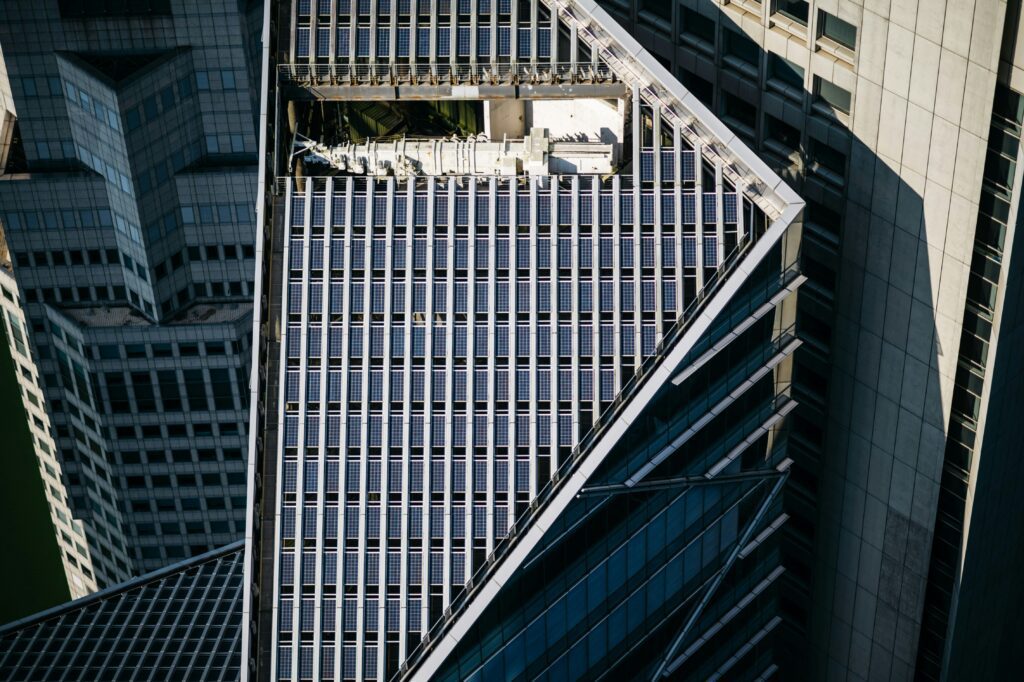
Electricity costs, especially for energy-intensive businesses like manufacturing or data centers, can account for up to 40% of operating expenses as stated in The Straits Times. Installing commercial solar allows companies to generate their own power—cutting reliance on grid electricity and directly reducing monthly bills.
Malaysia’s electricity tariff is rising. Under Regulatory Period 4 (RP4) beginning July 2025, TNB’s base tariff is increasing by roughly 14.2%, from 39.95 sen/kWh to 45.62 sen/kWh.This rise hits businesses hard, data centers, for instance, face cost increases of 10–14%, which could amount to millions in extra annual expenditure as reported by Reuters. Solar, by contrast, offers stable generation costs over 20–25 years.
Commercial solar isn’t just an expense, it’s an investment. Businesses often break even in 4–6 years, after which electricity generation is operated at a significantly reduced cost.
In addition, the chipmaker STMicroelectronics has signed a 21-year solar PPA starting in 2025, securing approximately 50 GWh of solar-generated electricity annually, demonstrating industry-scale viability as reported by Reuters.

Both models allow businesses, regardless of size, to benefit from solar—whether via asset ownership or stable, outsourced generation.
Solar cuts OpEx by reducing electricity bills and insulating businesses from tariff volatility. These reductions flow straight to the bottom line, improving margins and EBITDA. As TNB tariffs rise—driven by surging coal-based generation (now nearly 60% of Malaysia’s mix) and record coal imports—solar becomes an increasingly attractive hedge Reuters.
Commercial solar in Malaysia offers a compelling financial pathway in 2025. With electricity tariffs set to rise significantly and data centers absorbing major cost hikes, solar delivers cost certainty and strong ROI. Whether through outright purchase or zero-CAPEX PPA, solar enables businesses to reduce OpEx, protect profitability, and enhance sustainability—all backed by government shifts and real-world industry case studies.
You May Also Find This Helpful :
4 Reasons Why Malaysian Businesses Should Invest in Solar Power
Solar leasing vs. outright purchase: which is right for your Malaysian business in 2025?
Unlock Malaysian Government Incentives: Tax Reliefs & Schemes for Commercial Solar Adoption
How Commercial Solar Drives Corporate Sustainability in Malaysia
From rooftop to ROI: a step-by-step guide to commercial solar installation in Malaysia
Solar ATAP 2026: Powering Business Competitiveness