Being situated close to the equator, Malaysia is blessed with abundant sunshine. On the average, Malaysia receives about 6 hours of sunshine per day. This makes solar PVs a worthwhile investment to harness RE and offset electricity bills.
Nevertheless, it is rare for entire days to be completely sunny. Cloud cover, a cool reprieve, sporadically cuts off sunshine. This is exacerbated during monsoon seasons. Even on sunny days, peak sun hours, which is the effective solar energy generation period, lasts only about 3.5 hours.
Does that diminish the potential of solar PV solutions as a RE generator? Not with battery energy storage systems (BESS). BESS is an important asset in achieving a greener, more resilient energy landscape towards energy security powered by RE.
But what exactly are they?
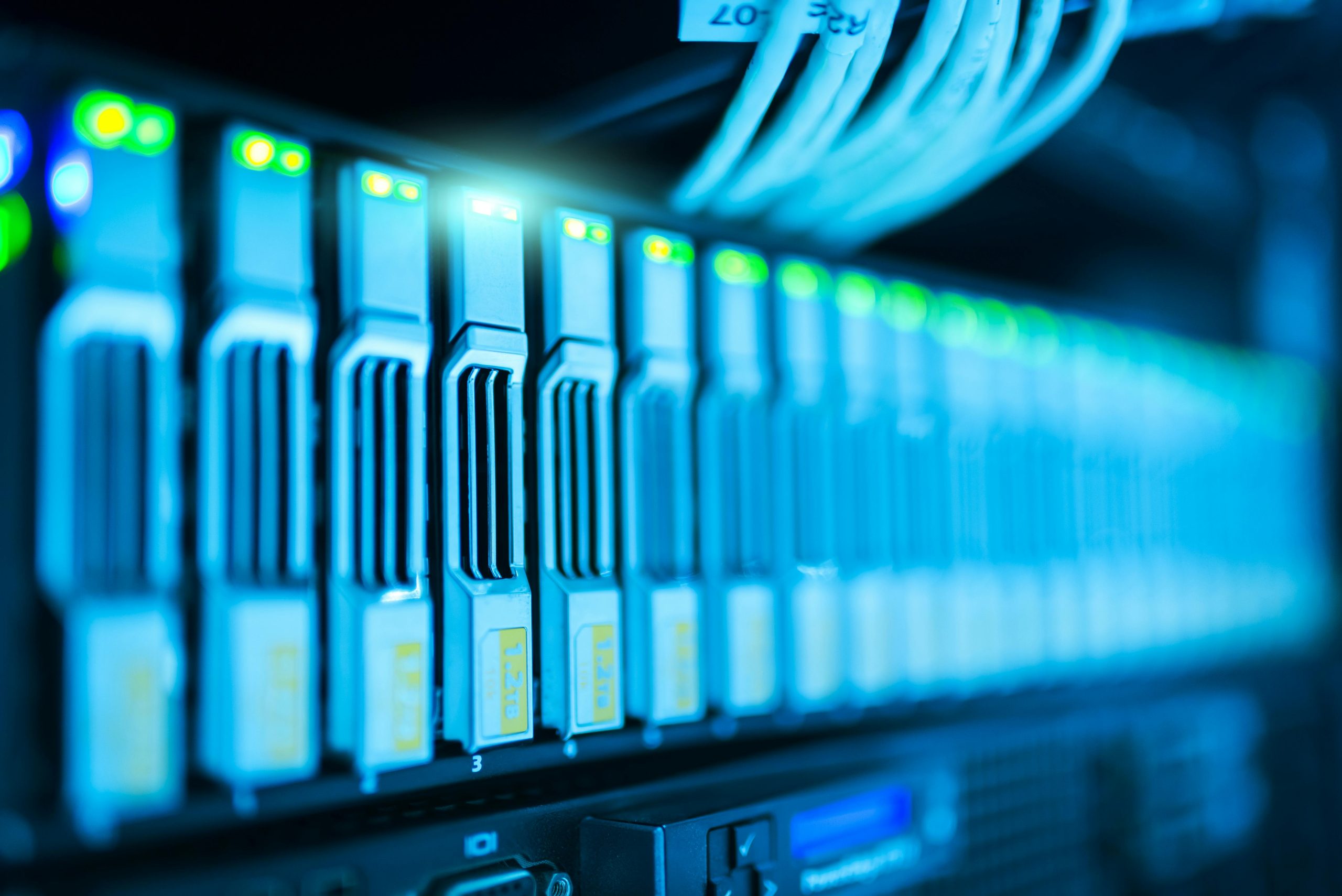
Simply put, a BESS is a device that stores generated energy for later use. Think of it as a giant power bank that is designed to store energy for the entire building instead of just a smartphone or laptop.
BESS units come in various sizes, from compact setups for individual homes to large-scale installations supporting industrial facilities and utilities. Their versatility makes them a game changer in the energy sector.
The transition to RE sources like solar, wind and hydropower is an important step in combating climate change. However, these energy sources are intermittent by nature. The sun does not always shine, wind does not always blow and hydropower depends on water levels.
This is when BESS comes into play. By storing surplus energy and discharging it when availability dips, BESS ensures a steady and reliable energy supply.
Other benefits of BESS include:
1. Enhance grid stability. BESS achieves this by smoothing out supply and demand fluctuations to alleviate strain on power grids. This can prevent surges from happening which lead to blackouts.
2. Reduce utility costs. With Time-of-Use (TOU) tariffs becoming more common, BESS enables users to store energy during off-peak hours to be utilised during expensive peak periods instead of drawing from the grid.
3. Promote energy independence. By integrating BESS with RE sources like rooftop solar PV, households and businesses can reduce reliance on traditional utilities. It also has the added benefit of being useful to mitigate grid dependency in remote areas or in those with unreliable grid connectivity.
While the potential of BESS is undeniable, challenges remain. Upfront costs can be a barrier for widespread adoption. There are also concerns about environmental impact of mining and disposing of battery materials.
Nevertheless, technological advancements and supportive national policies such as NEM seek to make BESS more viable. Innovations in battery technologies such as solid-state and sodium-sulphur (NaS) promise upsides in efficiency, lower costs and smaller environmental impact.
In a bid to accelerate adoption of RE and ahead of the upcoming fifth large-scale solar (LSS5) programme, Malaysia is allowing installation of BESS by third parties under concession agreements. The initiative comprises four projects with a capacity of 100MW/400MWh each. It includes the design, installation and operation of BESS at various sites in Peninsular Malaysia. Each project must be operational by 2026 and have commercial operations spanning 15 years.
As Malaysia powers ahead with its RE transition, BESS will have a large role to play in ensuring resilient energy systems. Whether you are a homeowner looking to reduce your bills, a business aiming to streamline energy costs, or a policymaker seeking to drive RE adoption, BESS is a solution worth exploring.
As a leading solar PV EPC company operating since 2011 and registered with the Sustainable Energy Development Authority (SEDA) and Construction Industry Development Board (CIDB), TERA is ready to partner you on your RE journey.
We have delivered 130,000 kWp across 2,000 residential, C&I and largescale solar premises in Peninsular Malaysia.
You May Also Find This Helpful :
How smart homes unlock the full potential of rooftop solar
What Happens to Solar Panels During a Power Outage?
Solar resilience: how the sun keeps us powered when everything else fails
Off-Grid Solar in Malaysia: How It Works in 2026
Why private hospitals should invest in solar energy?
Go Solar Without Paying Upfront: Here’s How Your Business Can Save Big on Energy
Let our specialists assess your energy needs and recommend the ideal solution. Simply share your details, and our team will be in-touch shortly.