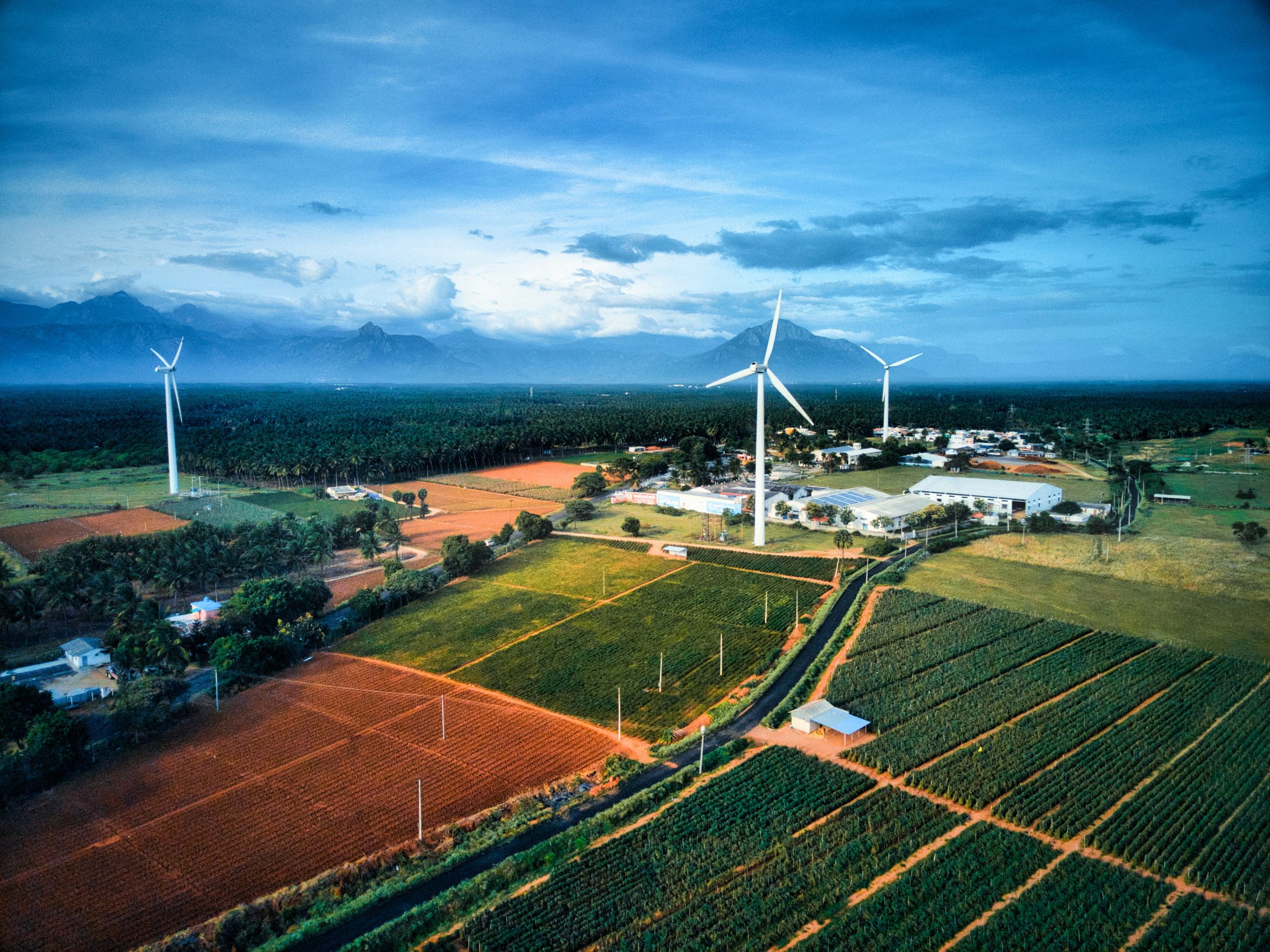
Malaysia is making headway towards its net-zero carbon emissions and a 70% renewable energy (RE) capacity by 2050 target. A key initiative in this is the Green Electricity Tariff (GET) which offers businesses and homeowners a direct way to support the transition.
GET is a subscription-based solution that lets consumers purchase electricity generated from renewable sources. These sources include the Large-Scale Solar (LSS) programme, hydropower stations and other RE plants that meet Malaysia Renewable Energy Certificate (mREC) requirements.
GET is available for both residential and commercial & industrial (C&I) consumers. Subscriptions start from 100 kWh per month for residential users and 1,000 kWh for businesses, with a maximum allocation of 130% of their average monthly consumption. This is subject to the total GET quota.
The subscription is also subject to review in the event a customer’s actual consumption is lower than their allocation. This is done in the spirit of ensuring fair sharing of a finite quota. One advantage of subscribing to GET is that the Imbalance Cost Pass-Through (ICPT) surcharge, an adjustment reflecting fluctuations in fuel and electricity generation costs, is waived.
In December 2024, the Ministry of Energy Transition and Water Transformation (PETRA) announced the continuation of the GET programme in 2025. Up to 6,600 GWh quota made available for subscription beginning 1 March 2025. At the time of writing, there is still over 3,600 GWh available.
The lock-in period for GET subscription ends on 31 December each year and will automatically be renewed unless a termination is requested by the subscriber. Subscribers will also receive an mREC at the end of the calendar year.
Subscribing to GET requires additional investment. Subscribers must pay the standard applicable tariff for their monthly electricity consumption plus a premium. The premium for residential and low-voltage C&I consumers is from 8 sen/kWh with a three-year subscription, while medium- and high-voltage C&I users is from 18 sen/kWh. While this comes at a premium, it provides a structured way to reduce carbon footprint and meet sustainability goals.
For businesses, subscribing to GET is a strategic way to cut Scope 2 emissions and enhance ESG credentials. Manufacturers and businesses with energy intensive operations in particular benefit from cleaner energy sources, aligning with investor expectations and regulatory trends toward sustainability.
Investors are increasingly prioritising ESG-driven companies, and sustainability-conscious consumers are choosing brands that align with their values. Subscribing to GET can appeal to these key stakeholders, making it a sound business decision.
GET is a step towards a more sustainable future. While it comes at a small premium, the long term benefits, environmental, financial, and reputational, are worth it.
Before subscribing to GET however, consumers should assess their energy needs. It is as simple as checking electricity usage to better understand average consumption per month. This helps determine the cost implications of switching to GET.
Once the average baseline is known, use it to calculate the subscription cost. Compare this against the existing monthly outlay to see if the premium makes sense. If it does not, there are other ways to participate in the sustainability journey.
The simplest way is to reduce energy consumption. Basic methods are by using energy efficient appliances, switching to LED lights, optimising air conditioning and unplugging devices when not in use.
Purchases of energy efficient air conditioners and refrigerators with 4 and 5-star rating for domestic use are eligible for up to RM400 rebate via the Nikmat Untuk Rakyat (NUR) programme, a continuation of the Sustainability Achieved Via Energy Efficiency (SAVE) programme. NUR is also made available for micro, small and medium enterprises (MSMEs) beginning 2025, with rebates up to RM4,000, beginning 15 February 2025. A third category, NUR:CHILLER, provides up to RM75,000 rebate to C&I users for the purchase of energy efficient chillers for comfort cooling.
In addition to these, consumers can consider Net Energy Metering (NEM) by installing solar PV for long-term savings too. While the upfront investment may be higher, ongoing incentives such as SolaRIS and the Green Investment Tax Allowance (GITA) make installation more attractive.
Recently, Malaysia also announced the Community Renewable Aggregation Mechanism (CREAM). Adapted from the Corporate Renewable Energy Supply Scheme (CRESS), CREAM allows homeowners to lease their rooftops for solar energy projects. It aims to boost the country’s RE capacity by enabling the development of rooftop solar PV systems that supply green electricity through an open-grid access model. The guidelines are currently being finalised and its full implementation will be announced in due course.
The shift to RE is no longer a distant goal; it is happening now. Initiatives like GET and CREAM are making clean energy more accessible than ever, with multiple ways to take part in Malaysia’s green transition. Whether you’re a homeowner looking to lower electricity costs or a business aiming to improve ESG compliance, now is the time to act.
You May Also Find This Helpful :
Malaysia’s SELCO Program 2025: All You Need to Know
Malaysia’s SELCO Guidelines 2025: A Comprehensive Guide to Solar PV Installation with Solar Panels
What Budget Malaysia 2025 Means for Renewable Energy
Paving Malaysia’s Path to Sustainability with TPA
CRESS Enhancements Open Doors for Renewable Energy in Malaysia
Let our specialists assess your energy needs and recommend the ideal solution. Simply share your details, and our team will be in-touch shortly.