
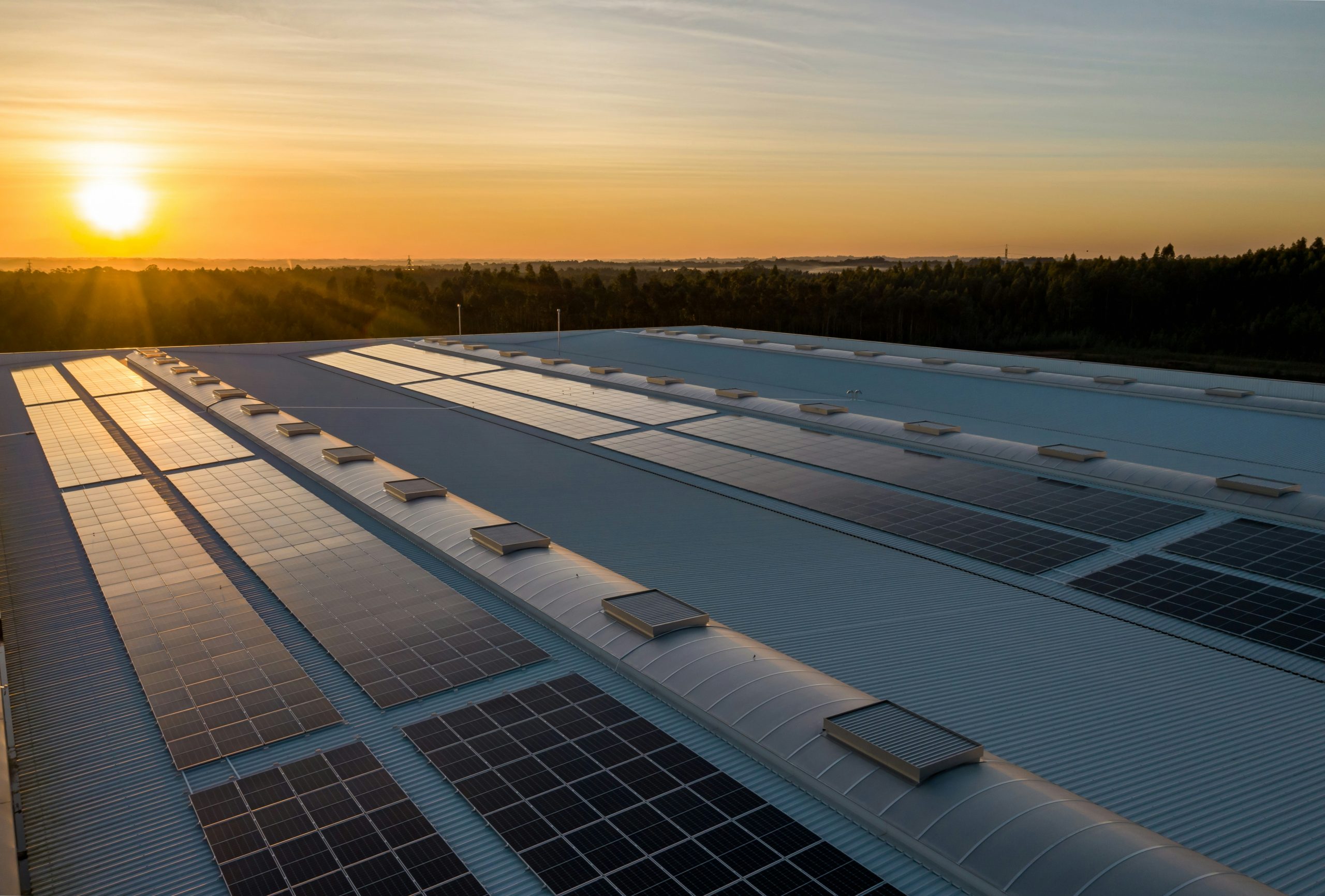
Solar panels are becoming an increasingly common choice for homes and businesses looking to lower their energy costs and reduce their carbon footprint. But how exactly does sunlight become usable electricity?
Here is a simple breakdown of the process:
Everything starts with the photovoltaic (PV) cells inside a solar panel. These cells are usually made from silicon, a material specially designed to capture light.
When sunlight strikes the surface of the panel, it energises the electrons inside the PV cells. This movement of electrons generates an electric current. It is important to note that solar panels work by capturing light, not heat.
The initial electric current produced by the panels flows as direct current (DC) electricity.
In DC electricity, the flow of electrons moves in a single, steady direction. However, most buildings and appliances use a different type of electricity.
To make the electricity usable, it passes through an inverter.The inverter converts the DC electricity into alternating current (AC) electricity, which matches the standard electricity supply from the national grid.
Without this step, the energy from solar panels would not be compatible with everyday electrical devices.
Once the electricity has been converted, it flows into your property’s main electrical panel or distribution board.
From there, it powers lights, air-conditioning systems, computers, machinery, and other electrical equipment as needed.
Sometimes, a solar system generates more electricity than the building immediately uses. In this case, there are two options:
Both options help maximise the value of the energy you generate.
Modern solar systems often come with real-time monitoring tools.These systems allow you to track how much energy your panels are producing, how much you are using, and how much you are storing or sending back to the grid.
Good monitoring ensures your system is performing efficiently and helps detect any issues early.
You May Also Find This Helpful :
How Solar Panels Can Empower the B40: Reducing Bills and Building a Greener Future
Solar ATAP 2026: Powering Business Competitiveness
Solar ATAP 2026: What Homeowners Need to Know
Solar leasing vs. outright purchase: which is right for your Malaysian business in 2025?
Go Solar Without Paying Upfront: Here’s How Your Business Can Save Big on Energy
Tax Relief Solar Panel Installation Benefits for Businesses (2025)
Let our specialists assess your energy needs and recommend the ideal solution. Simply share your details, and our team will be in-touch shortly.