
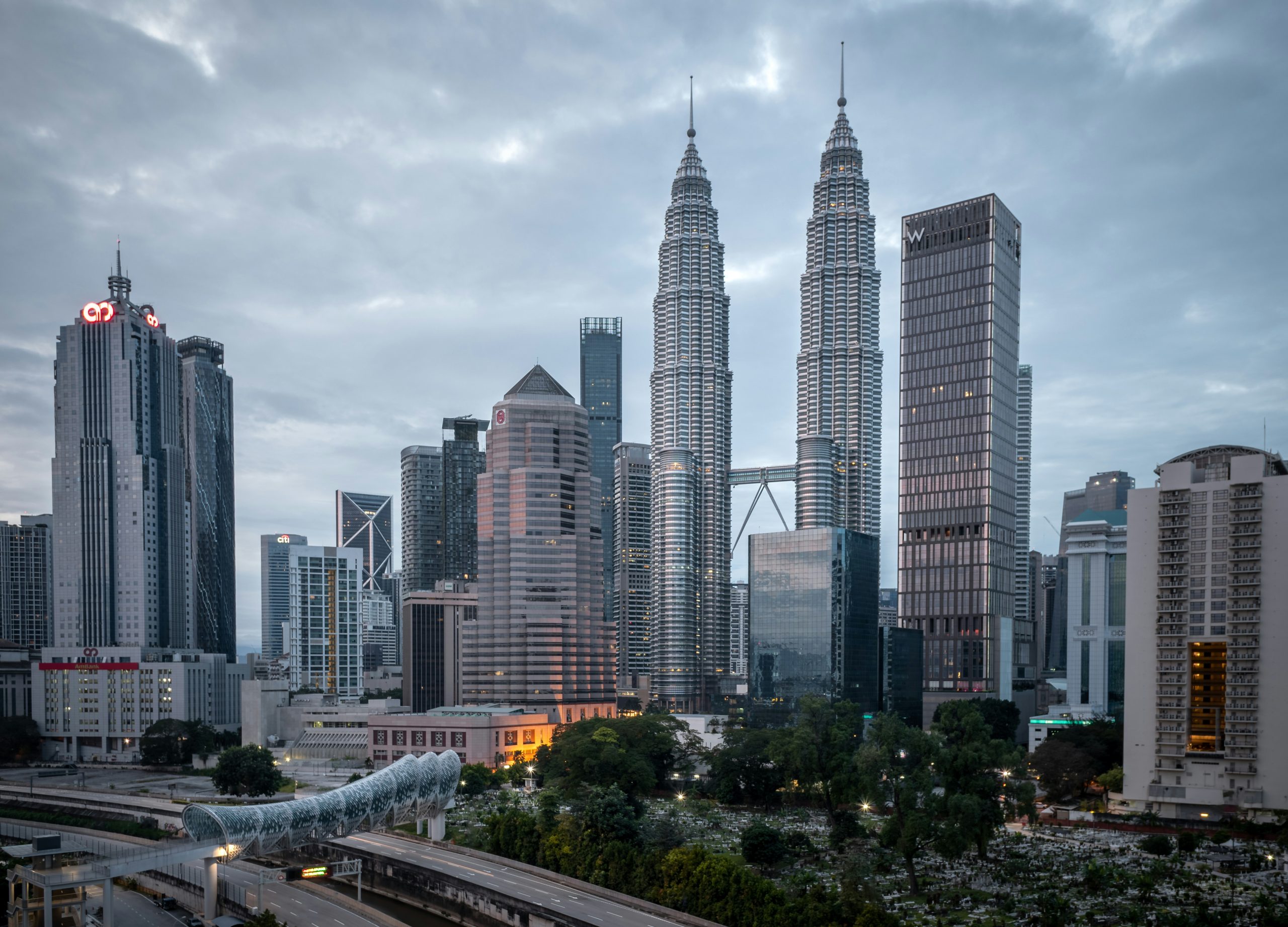
Malaysia has set an ambitious target: achieving net-zero carbon emissions by 2050. As climate change accelerates and global pressure mounts, the country is striving to transition towards a low-carbon economy while maintaining economic growth. But how will Malaysia get there?
Net-zero carbon means balancing the amount of greenhouse gases emitted with an equivalent amount removed from the atmosphere. This requires significant reductions in carbon emissions and investment in carbon capture technologies, renewable energy, and sustainable practices.
The Malaysian government has outlined several key policies and strategies to support its net-zero goal:
1. Renewable Energy
Solar power is expected to be the biggest contributor, with incentives such as net energy metering (NEM) and large-scale solar (LSS) projects accelerating growth. Wind and hydro are also being explored.
2. Transport
Malaysia is pushing for wider EV adoption through subsidies, tax exemptions, and improved charging infrastructure. The introduction of the Low Carbon Mobility Blueprint aims to cut transport emissions significantly.
3. Industrial Decarbonisation
Heavy industries, including manufacturing and oil & gas, are shifting towards cleaner technologies such as carbon capture, utilisation, and storage (CCUS).
4. Green Financing
Banks and financial institutions are offering green bonds and sustainable financing to support eco-friendly businesses and projects.
Challenges and Roadblocks
Despite Malaysia’s commitment, several challenges remain:
The Road Ahead
To achieve net zero by 2050, Malaysia needs a multi-stakeholder approach involving the government, businesses, and the public. By accelerating clean energy adoption, improving energy efficiency, and enforcing stricter environmental policies, Malaysia can pave the way for a sustainable future.
Can Malaysia achieve its green dreams? The journey is long, but with strong policies and innovation, the vision of a carbon-neutral nation is within reach.
This dream can also be achieved by starting to make the switch to solar.
You May Also Find This Helpful :
Paving Malaysia’s Path to Sustainability with TPA
The top 5 benefits of RECs for businesses and consumers
How Commercial Solar Drives Corporate Sustainability in Malaysia
Malaysia’s Roadmap to Achieving Renewable Energy Goals with Solar Power
RECs vs. Carbon Credits: What’s the difference and why does it matter?
Let our specialists assess your energy needs and recommend the ideal solution. Simply share your details, and our team will be in-touch shortly.