
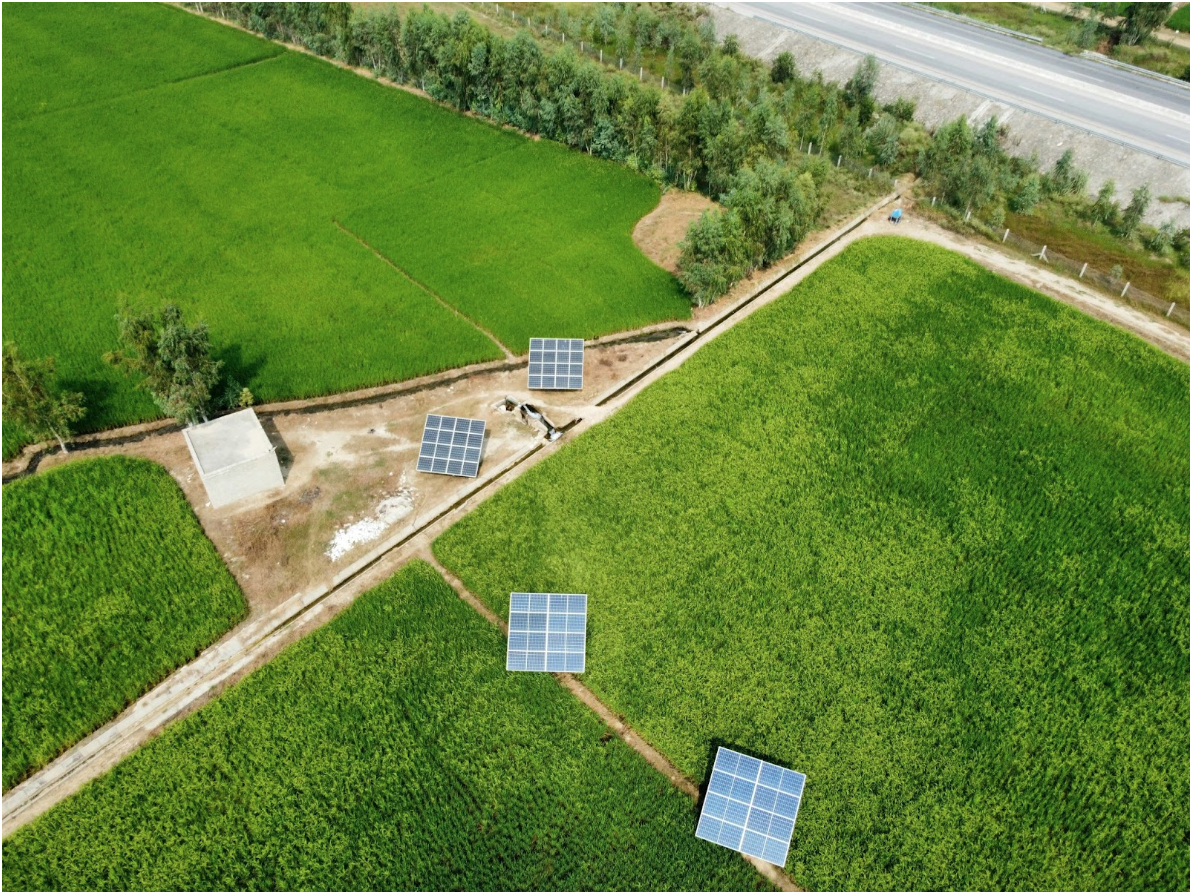
Solar farms are transforming Malaysia’s energy landscape, offering a clean and sustainable alternative to traditional power sources. These large-scale installations of photovoltaic (PV) panels capture sunlight and convert it into electricity, feeding directly into the grid and reducing dependence on fossil fuels.
In recent years, Malaysia has seen rapid growth in solar farm development, driven by government initiatives like the Large-Scale Solar (LSS) program under the Malaysia Renewable Energy Roadmap (MyRER). Projects such as the 50 MW solar farm in Kedah and the 100 MW installation in Pahang highlight the nation’s commitment to expanding its renewable energy capacity.
Solar energy now contributes about 3% to Malaysia’s total energy mix, with plans to increase renewable energy’s share up to 20% by 2025. This progress is bolstered by technological advancements and declining costs of solar PV panels, making solar farms an increasingly viable energy solution.
Solar farms are key to diversifying Malaysia’s energy sources. While their output depends on weather and daylight, hybrid systems combining solar with energy storage or other renewables can provide a stable and reliable power supply. By integrating solar farms into the energy grid, Malaysia can reduce its reliance on coal and natural gas, boosting energy security and sustainability.
Local Economic Growth
Solar farms bring significant economic benefits to local communities. They create jobs during construction and maintenance, attract investments in infrastructure, and generate lease payments for landowners. Some projects also include community programs focused on education and skill development.
Environmental Impact
Solar farms have a much smaller environmental footprint compared to fossil fuels. They produce zero emissions during operation, improving air quality and cutting greenhouse gas emissions. Initiatives like planting pollinator-friendly vegetation around solar panels further enhance biodiversity.
However, careful planning is essential to minimize potential environmental impacts, such as habitat disruption during land clearing. Innovative approaches like agrivoltaics—combining solar farms with agriculture—can help balance energy production with environmental conservation.
Malaysia’s commitment to solar energy is a positive step towards a cleaner future. As solar technology advances and government policies continue to support renewable energy, solar farms are set to play a crucial role in meeting the nation’s energy needs while benefiting the environment and local communities alike.
You May Also Find This Helpful :
The Rise of Solar Farms in Malaysia: A Bright Future for Renewable Energy
Understanding Malaysia’s Renewable Energy Mix: Where Solar Fits in the Bigger Picture
Malaysia’s Roadmap to Net Zero Carbon by 2050
Paving Malaysia’s Path to Sustainability with TPA
What Budget Malaysia 2025 Means for Renewable Energy
Malaysia’s SELCO Guidelines 2025: A Comprehensive Guide to Solar PV Installation with Solar Panels
Let our specialists assess your energy needs and recommend the ideal solution. Simply share your details, and our team will be in-touch shortly.