
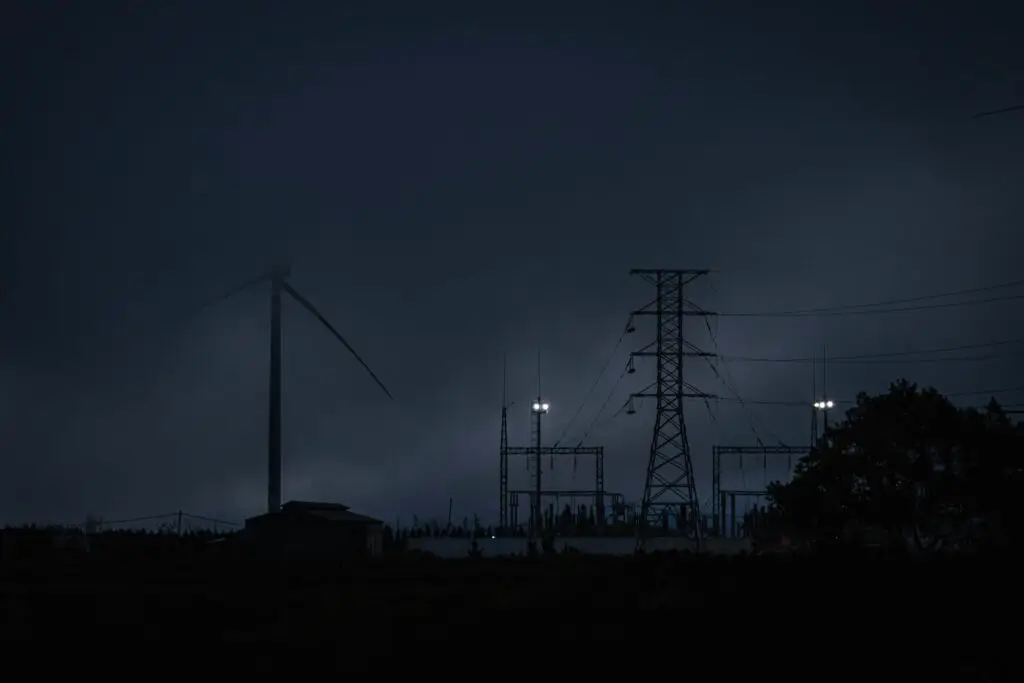
When the power goes out, many assume their solar panels will keep the lights on. But here’s the truth: most solar systems automatically shut down during a blackout to protect the grid and utility workers. That doesn’t mean you’re powerless, though. With the right backup solutions like batteries and hybrid inverters, your solar setup can keep running even when the grid doesn’t. In Malaysia’s sunny climate, this combination not only safeguards you during outages but also helps cut night-time bills and reduce reliance on rising electricity tariffs.
When the lights go out, most people are at the mercy of the grid. But if you have a solar system paired with backup storage, you can take control of your own electricity supply. Solar panels by themselves won’t keep your home or business running during a blackout—but with the right setup, you can stay powered and protected no matter what happens outside.
A common misconception is that solar panels automatically keep producing power during a blackout. In reality, most systems shut down when the grid goes offline. This “anti-islanding” feature is a built-in safety measure to protect utility workers repairing the lines. While this ensures safety, it also means that without backup, your solar panels can’t power your premises during an outage.
The good news? With a little upgrade, solar can keep working even when the grid doesn’t. By adding a battery backup system or a hybrid inverter, you can continue to power essential appliances during blackouts. These technologies safely disconnect from the grid and draw on your stored solar energy, giving you uninterrupted supply.
Backup batteries act like an energy reservoir. On sunny days, any excess electricity your solar system produces is stored instead of being sent entirely to the grid. Later, when the sun sets, or when the power goes out you can tap into that stored energy to keep your lights, Wi-Fi, or even entire operations running.
This also goes beyond outages:
Use stored solar power at night to cut your electricity bill.
Reduce dependence on fluctuating TNB tariffs.
Increase energy independence and resilience.
Here’s what different battery sizes can realistically power:
5 kWh system: Enough to run essential loads like lighting, Wi-Fi routers, fans, and charging devices for several hours.
10 kWh system: Can keep a refrigerator, lighting, and small appliances running overnight.
20 kWh system: Suitable for small businesses or larger homes, powering multiple appliances, air-conditioning, and IT equipment through extended outages.
This means you can choose a setup that fits your household or business needs without overspending.
Malaysia enjoys 2,000–2,500 hours of sunshine a year, making solar + storage an ideal combination. With such consistent sunlight, businesses and households can generate surplus energy almost daily, making battery investments far more effective here than in cloudier regions.
When choosing storage, you’ll come across options such as:
Lithium-ion batteries: Compact, efficient, and long-lasting (10–15 years).
Lead-acid batteries: Cheaper upfront but heavier, with shorter lifespans.
Hybrid inverters with built-in backup: Combine solar conversion and storage management in one unit for simpler control.
Most modern setups in Malaysia now favour lithium-ion for reliability and space-saving design, especially for commercial use.
During a power outage, solar panels alone won’t keep the lights on but when paired with a backup battery system, they can. By storing excess solar energy, batteries give you control, stability, and independence, while also lowering your electricity bills in the long run.
With Malaysia’s abundant sunshine and rising electricity tariffs, investing in solar + storage isn’t just about blackout protection, it’s about future-proofing your home or business.
You May Also Find This Helpful :
Solar resilience: how the sun keeps us powered when everything else fails
How Solar Panels Work: Turning Sunlight into Power for Your Home or Business
How climate and weather patterns affect solar power in Malaysia
Off-Grid Solar in Malaysia: How It Works in 2026
Solar panels in Malaysia: Top 5 questions answered for homeowners
Malaysia’s SELCO Guidelines 2025: A Comprehensive Guide to Solar PV Installation with Solar Panels
Let our specialists assess your energy needs and recommend the ideal solution. Simply share your details, and our team will be in-touch shortly.