
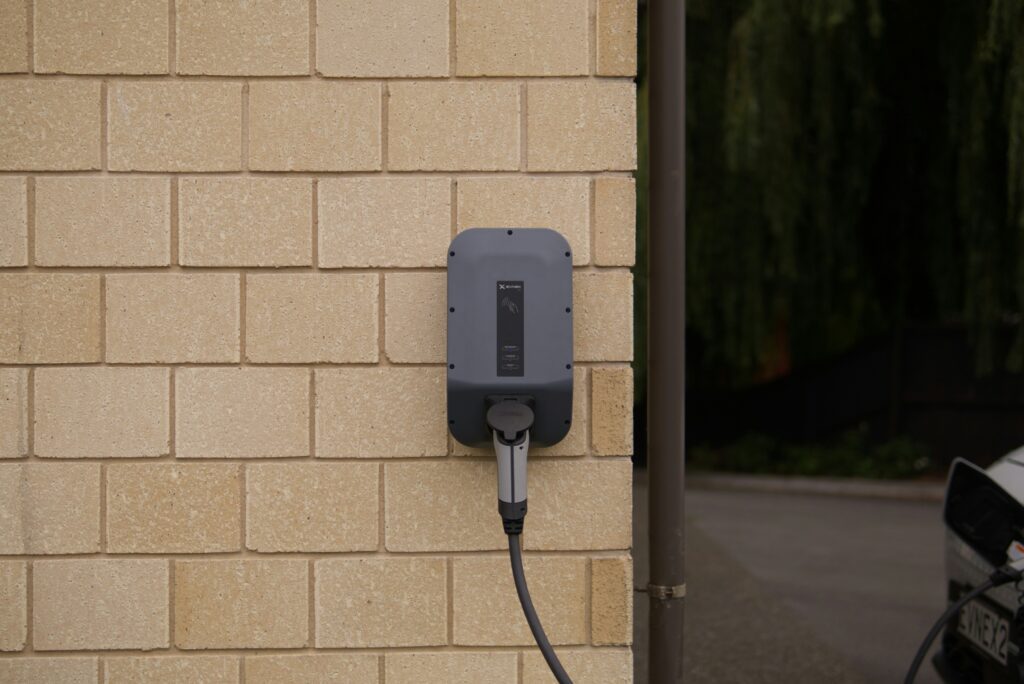
As Malaysia accelerates its push toward electric mobility and clean energy, EV owners and businesses are exploring smarter ways to power their journeys. One emerging solution is the integration of EV charging wall boxes with solar and battery storage systems — creating an energy ecosystem that’s not only efficient, but sustainable and cost-effective.
Here’s how it all works, and why it’s becoming the go-to choice for both homeowners and industries committed to net zero.
An EV charging wall box is a compact, wall-mounted charger designed to safely and efficiently recharge electric vehicles (EVs) at home, in offices, or at commercial facilities. Unlike a basic plug-in socket, a wall box delivers higher charging speeds and often comes with smart features such as:
Charging time scheduling
Real-time monitoring via mobile apps
Load balancing to optimise energy use
Integration with solar or energy management systems
These units are typically installed on walls, either indoors or outdoors, and are compatible with most EV models. They can be used in residential settings, corporate fleets, or public-access charging networks.
Pairing your wall box with a solar photovoltaic (PV) system transforms the way you charge your EV. Instead of relying solely on the grid, your vehicle draws power directly from the sun — a cleaner, renewable source of energy.
Here’s how the setup works:
During daylight hours, your rooftop solar panels generate electricity
The energy flows to your EV wall box, charging your vehicle with solar power
Any unused solar energy can be fed back into the grid (via Net Energy Metering) or stored in a battery system for later use
Smart EV wall boxes can prioritise solar power for charging. Some models let you choose between solar-only mode, solar + grid hybrid mode, or fast charge using grid power when needed.
This setup not only reduces your carbon footprint but also lowers electricity bills by maximising self-consumption of solar energy.
While solar panels work great when the sun is out, pairing them with a Battery Energy Storage System (BESS) takes your energy independence to the next level.
BESS stores excess solar power generated during the day and makes it available when you need it — like at night, during peak tariff hours, or when the grid goes down. This ensures your EV charging is uninterrupted and more cost-efficient.
Benefits of integrating BESS with your wall box include:
Round-the-clock charging using stored solar power
Protection from blackouts or unstable grid supply
Better load management for commercial or industrial sites
Reduced peak demand charges in facilities with time-of-use tariffs
For EV owners or fleet operators, this means greater control over energy usage and cost, especially when charging multiple vehicles.
For large-scale industrial or commercial facilities, a custom energy solution that combines EV wall boxes, solar PV, and BESS can significantly reduce reliance on fossil fuels and grid electricity.
Selco, a trusted energy solutions provider in Malaysia, offers integrated systems tailored for industrial use. Their solutions include:
Commercial-grade EV chargers for fleet or employee use
High-capacity battery storage to stabilise loads and reduce grid draw
Real-time monitoring platforms for better energy management
These systems support compliance with ESG goals, carbon reporting, and even offer pathways to carbon credit generation.
Whether it’s a logistics company electrifying its fleet or a factory switching to clean energy, the combined use of EV infrastructure and solar+BESS is helping businesses transition smoothly toward net zero.
EV charging wall boxes, when paired with solar and battery backup, offer more than just a clean way to charge — they deliver energy independence, cost savings, and future-readiness.
As Malaysia moves forward with its EV and renewable energy targets, adopting this kind of smart energy infrastructure is no longer just for early adopters. It’s a practical step for anyone serious about sustainability, whether you’re a homeowner, business owner, or industrial player.
The road to greener mobility starts with smarter energy choices — and the wall box on your wall might just be the missing link.
You May Also Find This Helpful :
Battery Energy Storage System (BESS): Storing potential for a greener future
How Solar Panels Work: Turning Sunlight into Power for Your Home or Business
How smart homes unlock the full potential of rooftop solar
How solar, batteries, and smart systems work together
On-Grid Solar in Malaysia: How It Works in 2026
Solar resilience: how the sun keeps us powered when everything else fails
Let our specialists assess your energy needs and recommend the ideal solution. Simply share your details, and our team will be in-touch shortly.